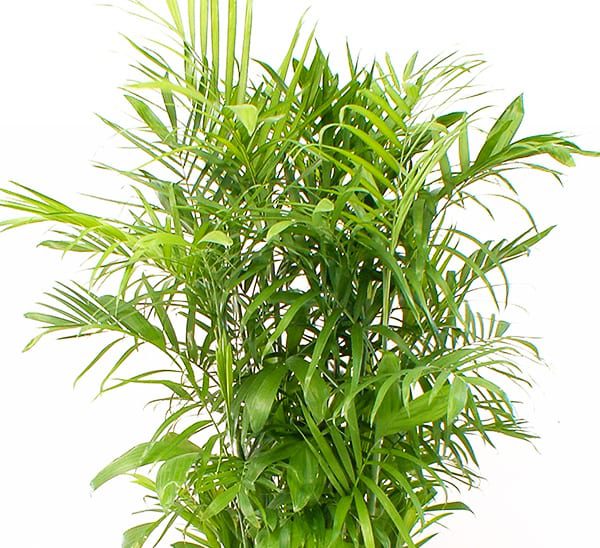
Bamboo Palm (Chamaedorea seifrizii)
Bring the serene elegance of the tropics into your home with the Bamboo Palm, also known as the Reed Palm. This stunning evergreen palm (Chamaedorea seifrizii) features strong, upright bamboo-like stalks that cluster together, creating a lush, feathery canopy of deep green fronds. Growing slowly to a mature height of up to 7 feet and a spread of 6 feet, it develops fullness over time as new stems emerge from the soil, offering a dynamic, ever-evolving vertical accent that softens stark walls and fills empty corners with effortless grace.
Perfect for modern living rooms, offices, or sunrooms, the Bamboo Palm thrives in medium-lit spaces, making it an ideal air-purifying companion for urban dwellers seeking low-fuss greenery. Its structured form adds architectural interest and a calming, spa-like ambiance, while its resilience ensures it becomes a cherished, long-term fixture in your space.
Please contact your local store for product availability.
Find a garden center near you.
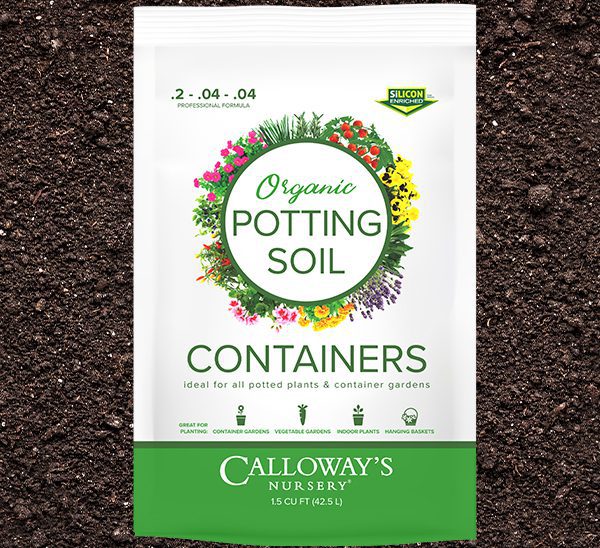
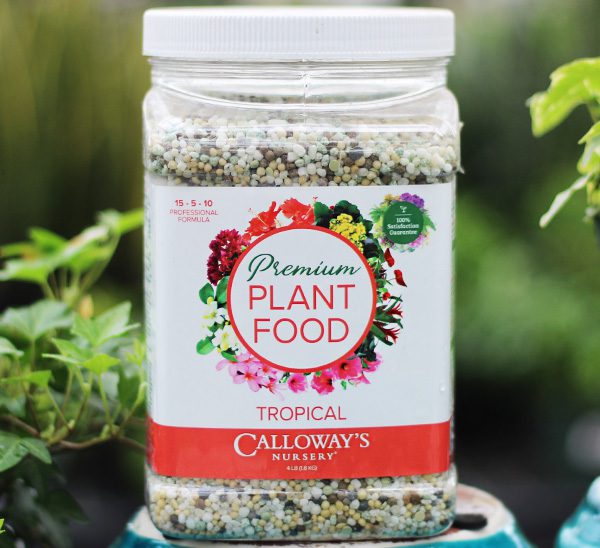
Items For Added Success
Species: seifrizii
Other Species Names: Reed Palm
Plant Height: 84 in.
Spread: 72 in.
Evergreen: Yes
Plant Form: Upright
Summer Foliage Color: Green
Minimum Sunlight: Moderate
Maximum Sunlight: Bright
Bamboo Palm is a versatile indoor choice to add height and soften bare expanses.
Bamboo Palm is a tropical Palm suitable for medium lit indoor spaces when moisture and humidity can be controlled. This is a relatively low maintenance plant, and requires only occasional pruning to remove old foliage and to keep it in its place. Gardeners should be aware of the following characteristic(s) that may warrant special consideration; Insects. Bamboo Palm provides structured beauty for indoor spaces with its stong, upright growth and multiple, bamboo-like stalks.
Bamboo Palm grows to about 7 feet tall and 6 feet wide at maturity. It grows relatively slowly, producing additional stems from the soil and creating a full plant with age. This shrub should be grown in bright light all day long but will tolerate medium light indoors if soil moisture and humidity are maintained. Palms require even moisture, good soil drainage, and cannot tolerate standing water. It is not particular as to soil type or pH as long as it drains completely. This is a selected variety of a species not originally from North America. Bamboo Palm is a long-living plant when correctly maintained. It adds beautiful vertical elements to open areas.
How to Care for Bamboo Palm (Chamaedorea seifrizii)
Bamboo Palm (Chamaedorea seifrizii) thrives in bright, indirect light or partial shade. It prefers filtered sunlight, such as near an east- or north-facing window indoors or in a shaded outdoor area. Avoid direct afternoon sun, which can scorch the fronds. In too little light, growth may slow and foliage may yellow.
This tropical palm grows best in rich, well-draining soil with good aeration. A mix of potting soil, peat moss, and perlite or sand works well. Slightly acidic to neutral soil (pH 6.0–7.0) is ideal. Consistent drainage is key—avoid heavy, compacted, or waterlogged soil.
Keep the soil evenly moist but not soggy. Water when the top inch of soil feels dry to the touch. Typically, indoor Bamboo Palms need watering once a week, while outdoor plants may need more frequent watering in hot weather. Reduce watering in winter when growth slows. Use room-temperature water to prevent stress.
Feed monthly during the growing season (spring through summer) with a balanced, water-soluble fertilizer diluted to half strength (such as 10-10-10). In fall and winter, reduce feeding to every 6–8 weeks or stop entirely. Over-fertilizing can cause leaf tip burn or salt buildup in the soil.
Remove yellow, brown, or damaged fronds at the base using clean, sharp shears. Avoid cutting healthy green fronds, as this can stress the plant. Regularly wipe the leaves to remove dust and keep them breathing freely. Pruning helps maintain an attractive, tidy shape and supports healthy new growth.
Common pests include spider mites, mealybugs, and scale insects, especially in dry indoor air. Regularly misting the foliage and cleaning leaves helps prevent infestations. Root rot can occur if the soil stays too wet. Use well-draining soil and avoid overwatering to prevent disease.
No—Bamboo Palm is sensitive to frost and cold temperatures below 50°F. It’s best grown indoors in most regions or outdoors only in USDA zones 10–12. If grown outside, bring it indoors before temperatures drop, or protect it with coverings during unexpected cold snaps.