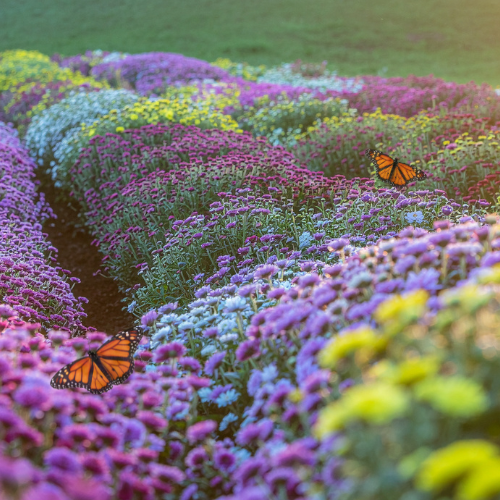
Spring in Texas is hitting its stride—and right now is the perfect time to transform your garden into a thriving pollinator paradise.
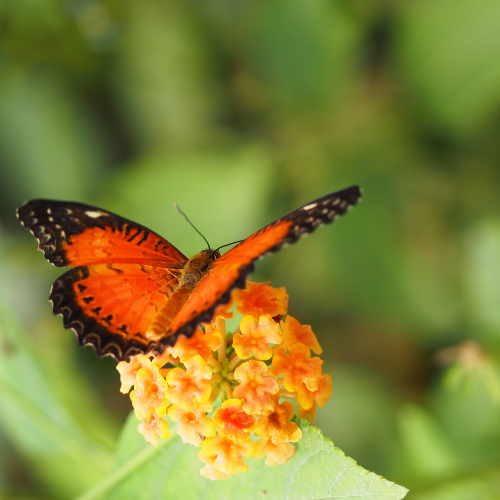
Pollinator gardens do more than add color to your landscape—they play a critical role in supporting bees, butterflies, hummingbirds, and other beneficial wildlife. These pollinators help plants reproduce, strengthen your garden’s overall health, and contribute to a more balanced ecosystem right in your own backyard.
Whether you’re refreshing existing beds, upgrading your containers, or starting fresh this season, creating a pollinator-friendly garden is easier than you think—and incredibly rewarding.
Pollinator Favorites for Every Space
The key to a successful pollinator garden is choosing plants that provide consistent nectar, thrive in Texas conditions, and offer a variety of shapes, colors, and bloom times. Here are some top-performing favorites to get you started:
Sun-Loving Standouts
Lantana
A staple in Texas landscapes for good reason. Lantana thrives in full sun and high heat, producing clusters of vibrant blooms from spring all the way through fall.
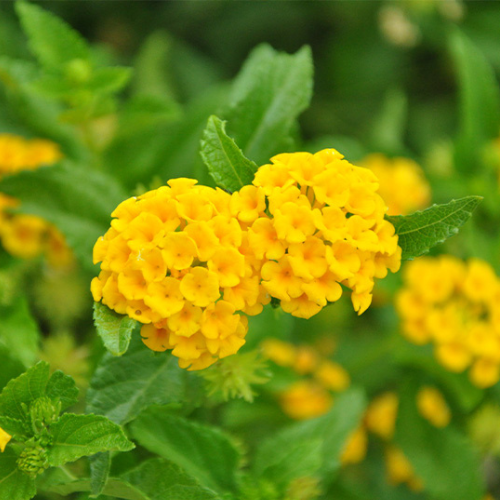
The compact Little Lucky® series is perfect for containers and small garden spaces, while Bandana® and Luscious® varieties create a fuller, more dramatic presence in larger beds. Their continuous blooms provide a reliable nectar source, making them a favorite stop for butterflies and bees throughout the season.
Why you’ll love it: Extremely low-maintenance, drought-tolerant once established, and nearly effortless color all summer long.
Salvia
If you want to attract hummingbirds, salvia is a must. This Texas-tough perennial thrives in our climate and produces spikes of nectar-rich flowers that pollinators can’t resist.
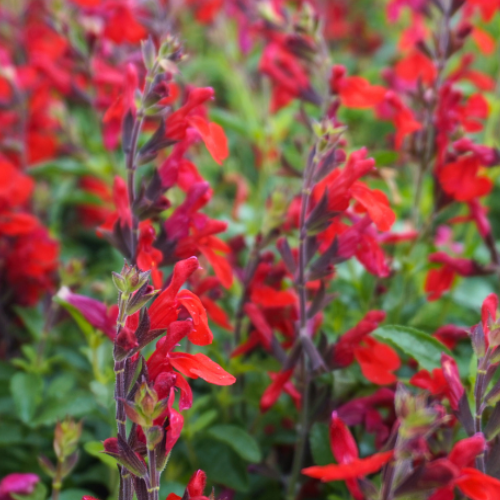
Compact varieties like the Mirage Series are ideal for smaller spaces and containers, while Mystic Spires offers bold purple blooms that stand out in any landscape design. Autumn Sage (Salvia greggii) brings a more natural, native look and performs beautifully in both formal and relaxed garden styles.
Why you’ll love it: Long bloom season, heat tolerance, and constant pollinator activity.
Coneflower
A native favorite that checks every box—beauty, durability, and ecological value.
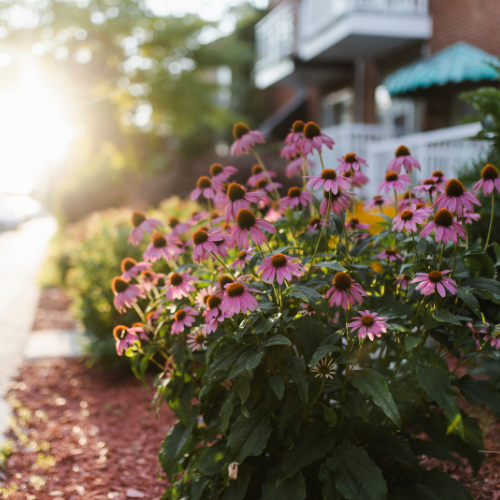
Coneflowers produce large, daisy-like blooms that serve as landing pads for bees and butterflies, while their central cones provide rich nectar sources.
These hardy perennials thrive in sunny locations with well-drained soil and require very little maintenance once established. Even after blooming, their seed heads continue to benefit your garden by attracting birds in the fall and winter.
Why you’ll love it: Multi-season interest, drought tolerance, and strong support for local wildlife.
Colorful Garden Accents
Butterfly Bush
True to its name, Butterfly Bush is one of the best plants you can add for attracting butterflies in large numbers.
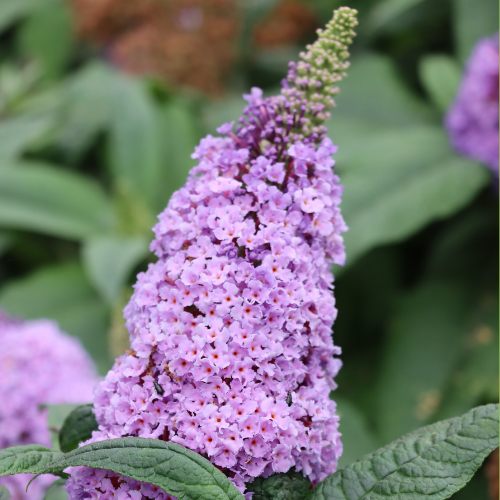
Its long, cone-shaped blooms are packed with nectar, making it a go-to feeding spot for butterflies, bees, and even hummingbirds. Available in a range of colors like purple, pink, and white, Butterfly Bush adds height, movement, and a soft, airy texture to garden beds. It thrives in full sun and handles Texas heat well once established.
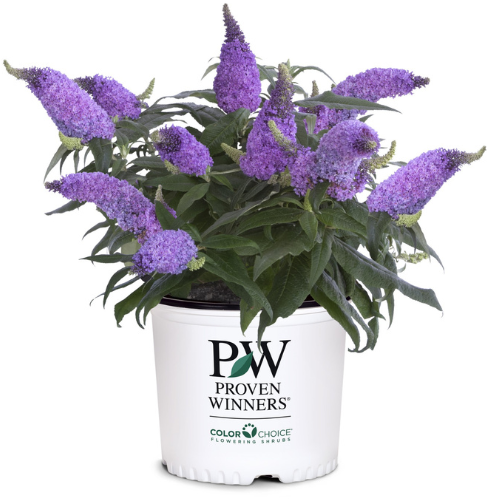
For an even more reliable performer, try our Proven Winners® Butterfly Bush varieties—specially bred for stronger blooms, compact growth, and nonstop color. These improved varieties are low-maintenance, non-invasive, and bloom continuously without the need for deadheading, making them an easy upgrade for any pollinator garden.
Why you’ll love it: Fast-growing, easy to care for, and a magnet for pollinators all season long.
Itsy Bitsy® Peach Mini Rose
Perfect for patios, small gardens, or container arrangements, this miniature rose packs big color into a compact form.
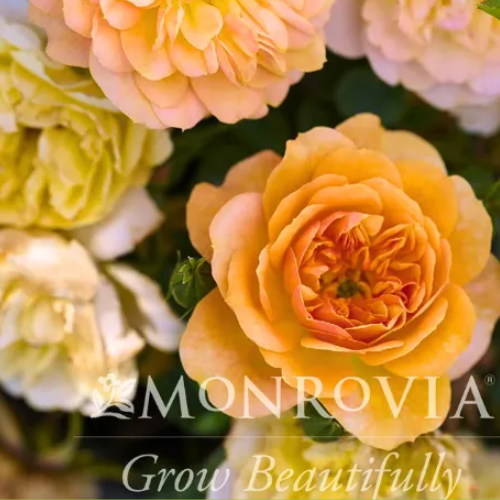
Its warm peach tones with soft pink blushes add charm and personality wherever it’s planted. Despite its size, it blooms abundantly and provides a steady nectar source for pollinators in smaller garden spaces.
Mexican Bush Sage
A versatile and hardy perennial, Mexican Bush Sage is a pollinator favorite thanks to its long, colorful spikes of purple flowers.
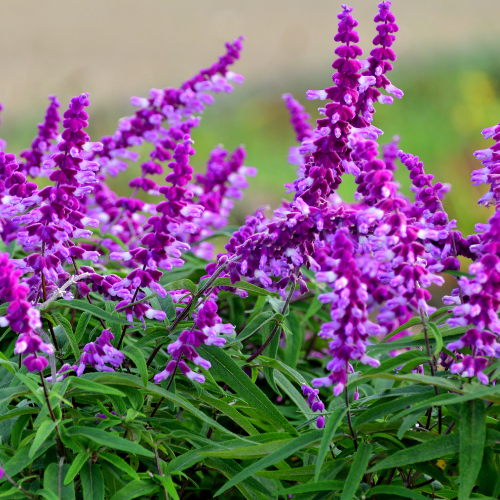
It attracts hummingbirds, bees, and butterflies throughout the growing season and adds vertical interest to garden beds.
Why you’ll love it: Heat-tolerant, drought-resistant, low-maintenance, and visually striking with long-lasting blooms.
Shade-Friendly Picks
Astilbe
Pollinator gardening doesn’t have to stop where the sun does. Astilbe brings life to shady areas with soft, feathery plumes in shades of red, pink, and white.
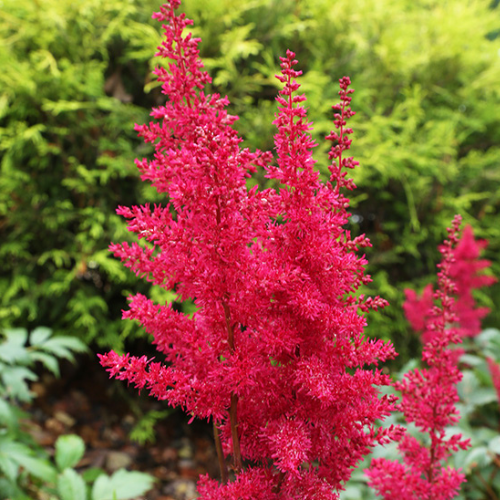
The Visions Series offers improved drought tolerance, while Younique varieties produce an abundance of blooms with a slightly more compact growth habit. These plants are perfect for brightening woodland edges, shaded borders, or areas that receive filtered light.
Why you’ll love it: Adds texture and color to shade while still supporting pollinators like bees.
Design Tips for a Thriving Pollinator Garden
Creating a pollinator-friendly space isn’t just about what you plant—it’s how you plant it.
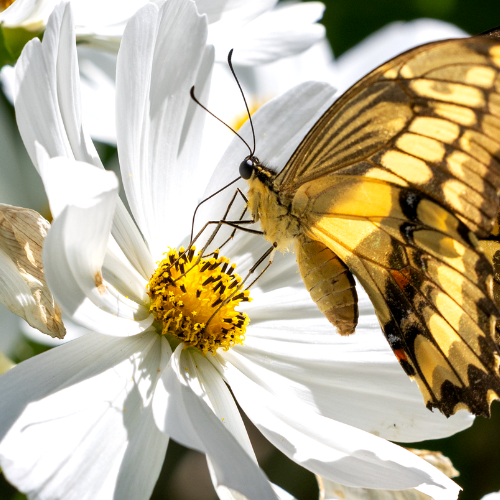
- Plant in clusters, not singles: Grouping the same plants together creates larger targets for pollinators, making it easier for them to find and feed efficiently.
- Plan for continuous blooms: Choose a mix of early, mid, and late-season bloomers to ensure your garden provides nectar from spring through fall.
- Incorporate a variety of flower shapes: Different pollinators are attracted to different bloom structures—tubular flowers for hummingbirds, flat blooms for butterflies, and clustered flowers for bees.
- Provide water sources: Shallow dishes, birdbaths, or even a simple water feature give pollinators a place to rest and hydrate.
- Limit pesticide use: Avoiding harsh chemicals helps protect the beneficial insects you’re trying to attract and supports a healthier garden ecosystem overall.
Bring in the Birds, Too
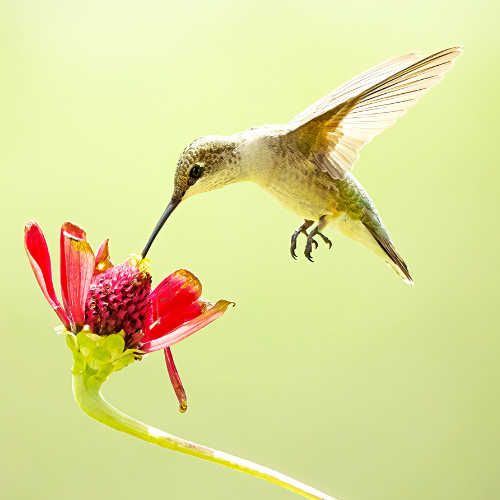
A truly thriving garden supports more than just pollinators—it invites birds into the ecosystem as well. Transform your backyard into a vibrant, pollinator-friendly oasis with Calloway’s and Cornelius birding and gardening essentials.
Birds play an important role by helping control unwanted pests and contributing to overall plant health. Adding feeders, birdbaths, and birdhouses creates a welcoming environment that complements your pollinator plantings.
The result? A garden filled with movement, color, and natural harmony—where pollinators and birds work together to keep your landscape flourishing.
Start Your Pollinator Garden Today
Creating a pollinator-friendly garden is one of the most impactful ways to enhance your outdoor space this spring.
By combining sun-loving staples, shade-friendly textures, and a variety of bloom types, you’ll create a landscape that’s not only visually stunning but also supports the environment in a meaningful way.
Visit your local Calloway’s or Cornelius Nursery to explore our wide selection of pollinator-friendly plants, gardening essentials, and expert guidance from our Texas Certified Nursery Professionals.
Ready to transform your garden? Stop by this week and let us help you build a pollinator paradise designed for Texas. Have questions? Ask our Texas Certified Nursery Professionals; they are here to help!

Marketing leader with 10+ years of experience, blending creativity with deep, hands-on knowledge of the horticulture industry. Energized by plants, sports, good food, and great style.