If you thought vegetable gardening was just for spring, think again! Fall is one of the best times to grow vegetables in Texas, as cooler temperatures create ideal conditions for many cool-season crops.
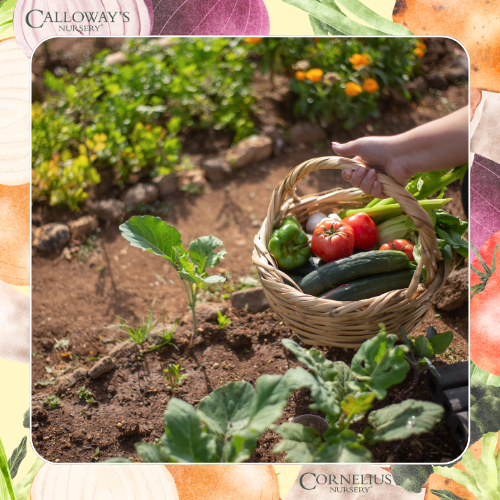
Whether you’re starting with seeds or planting young vegetable plants, fall is the perfect time to refresh your garden beds, fill containers, and grow a harvest you can enjoy throughout the season. From crisp lettuce and leafy greens to cabbage, broccoli, carrots, and more, here’s how to get your fall vegetable garden growing.
Why Plant a Fall Vegetable Garden?
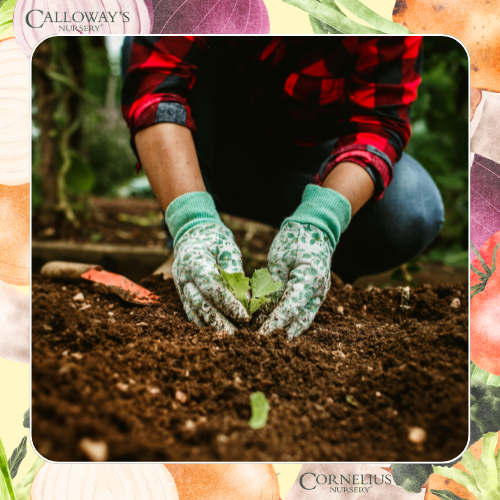
After summer in Texas, cooler weather brings a welcome change for both gardeners and plants. Fall gardening also gives you an opportunity to grow a variety of cool-season vegetables that are packed with flavor and nutrients.
Before you plant, take some time to prepare your garden and choose vegetables that fit your growing space and local conditions.
Start with Seeds or Transplants
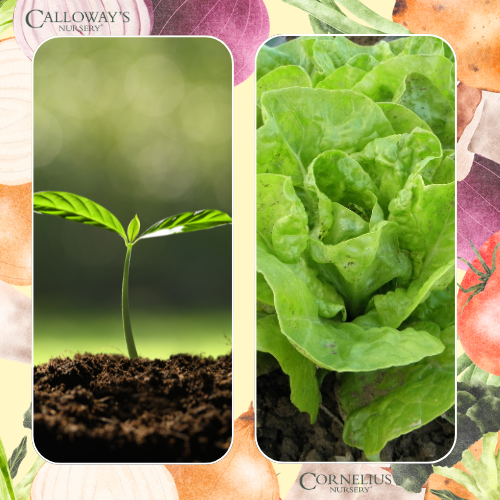
One of the best things about a fall vegetable garden is that you can get started in more than one way!
Grow from Seed
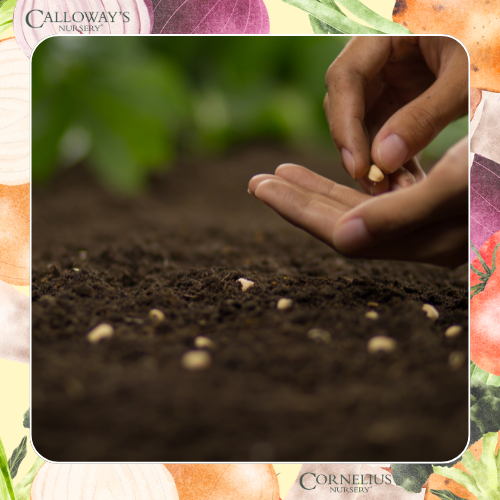
Seeds are a great option for vegetables that can be sown directly into the garden. At Calloway’s or Cornelius, consider crops such as:
- Carrots
- Radishes
- Beets
- Lettuce
- Spinach
- Mustard greens
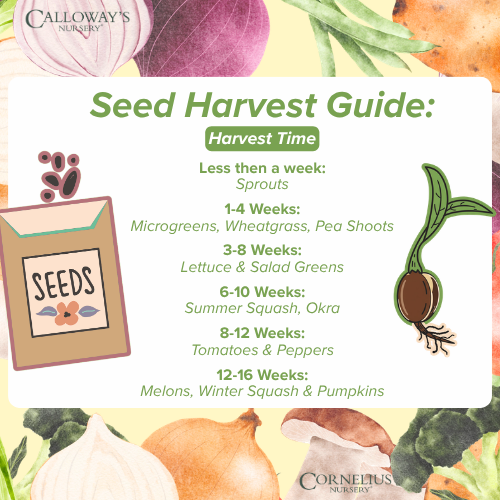
Always check the seed packet or ask one of our Texas Certified Nursery Professionals for specific planting depth, spacing, sunlight, and harvest information.
Start with Vegetable Plants
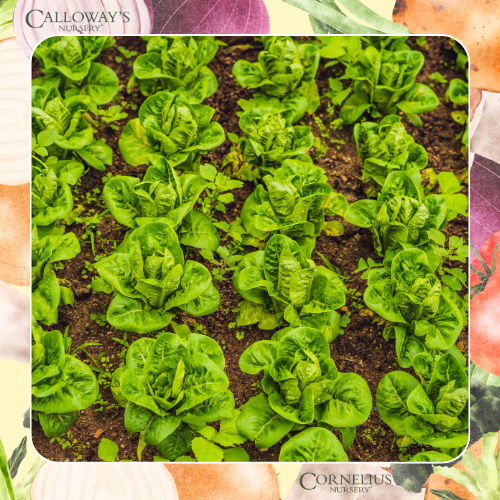
Want to give your garden a head start? Young vegetable plants can get you growing faster and are an easy way to add established plants to your garden.
Look for cool-season favorites such as:
- Lettuce
- Cabbage
- Kale
- Mustard Greens
- Brussels Sprouts
- Cauliflower
- Collards
- Turnips
- Spinach
- Broccoli
Availability and varieties may vary by location, so visit your neighborhood Calloway’s or Cornelius to see what’s ready for your fall garden.
Fall Vegetable Favorites
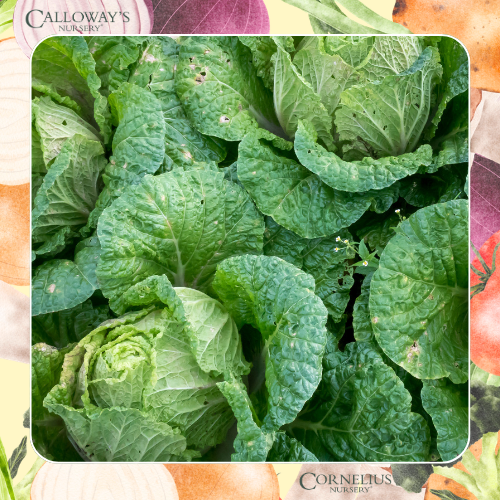
Cabbage
Cabbage is a cool-season garden favorite that comes in a variety of sizes, shapes, and colors. It’s also incredibly versatile in the kitchen and can be enjoyed raw, cooked, grilled, or added to soups, salads, sauerkraut, and coleslaw.
One of our favorites, Super Star, which is considered one of the best-tasting cabbage varieties producing medium-large 3 lb. green heads.
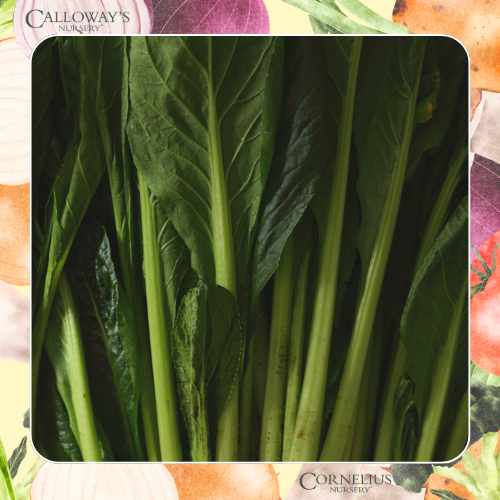
Mustard Greens
Looking for something with a little more flavor? Mustard greens are quick-growing leafy greens with a distinctive peppery taste.
Varieties such as Miz America add vibrant color to the garden, while offering a milder, peppery flavor. Mustard greens can be enjoyed fresh in salads or cooked into seasonal dishes.
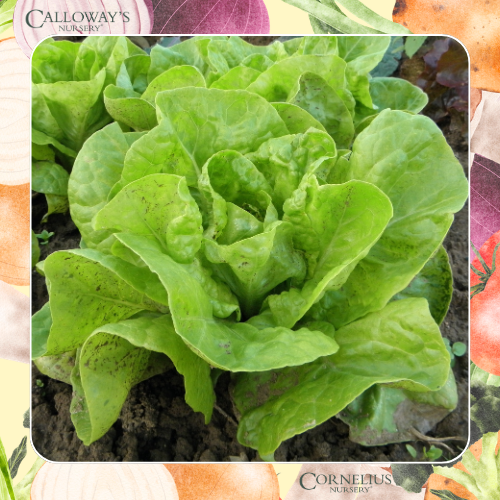
Lettuce
Lettuce is a classic choice for the fall garden. Many varieties allow for continual harvesting, making it easy to enjoy fresh greens throughout the season.
Paris Island Lettuce produces frilly, colorful leaves, while Buttercrunch is known for its crisp, buttery texture. For an extended harvest, consider staggering your plantings.
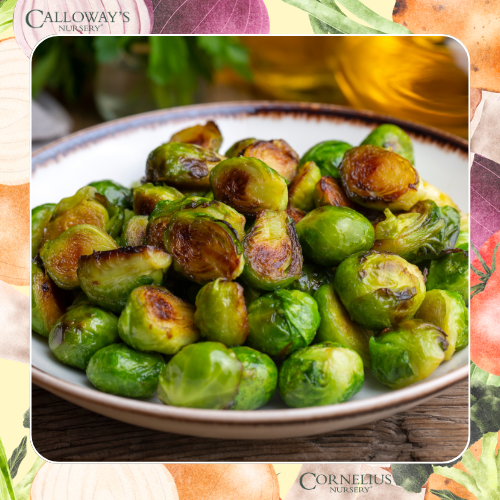
Brussels Sprouts
Brussels sprouts are a classic cool-season crop that produces miniature cabbage-like heads along tall stalks. Cooler temperatures help develop their sweet, nutty flavor.
Jade Cross Brussels Sprouts are a compact variety well suited for home gardens. Give them plenty of sunlight, consistent moisture, and room to grow.
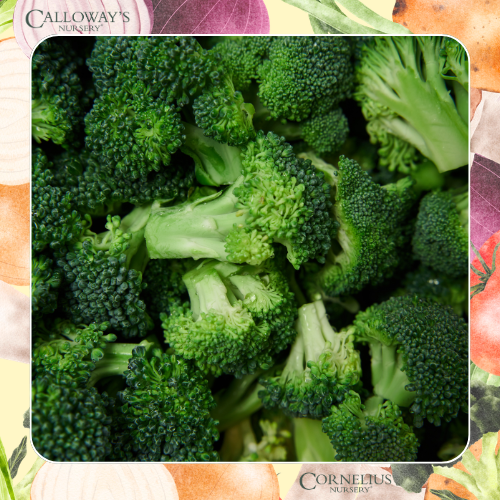
Broccoli
Broccoli is another cool-season favorite that can thrive in a fall garden. It grows best in full sun and well-drained, organic-rich soil.
For gardeners growing from seed, be sure to follow the specific timing and planting instructions on your seed packet. If you’re looking for a head start, vegetable transplants can make getting your fall garden established even easier.
Prepare Your Garden Before Planting
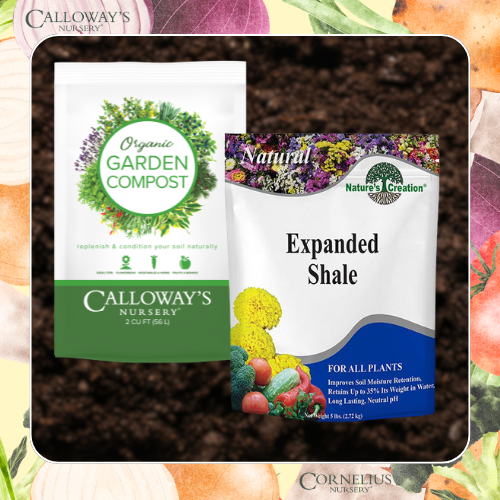
Healthy soil is the foundation of a productive vegetable garden.
Start by clearing your planting area of weeds, rocks, and spent summer plants. Then give your soil a boost with quality organic matter.
Our recommended soil combination include Nature’s Creation® Expanded Shale and Calloway’s Organic Garden Compost. Expanded shale can help improve drainage and loosen compacted soil, while organic compost adds nutrients and helps with moisture retention. While Calloway’s Organic Garden Compost is a blend of composted rice hulls, composted pine bark, earthworm castings, and mycorrhizae, Calloway’s Organic Garden Compost will give your natural garden a healthy start!
Work your soil thoroughly before planting so your new vegetables have a healthy foundation for root growth.
Make the Most of Your Fall Garden
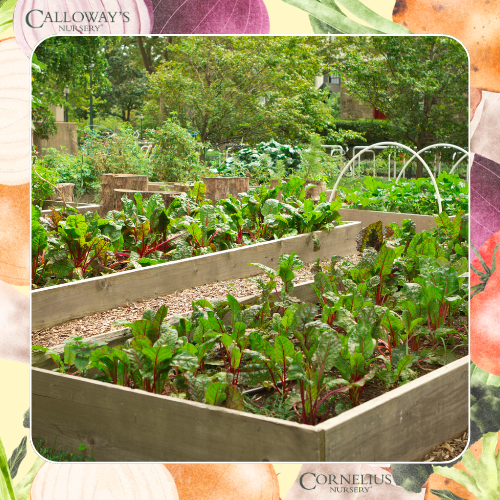
You don’t need a huge garden to enjoy a fall harvest. Vegetable gardens can thrive in raised beds, traditional garden beds, and containers when plants have the right soil, sunlight, water, and space.

Try combining vegetables with different harvest times so you can enjoy fresh produce throughout the season. Planting a mix of seeds and 4” plants can also give your garden variety while helping you make the most of your growing space.
And don’t forget to label your garden! Keeping track of what you planted and when can make it easier to plan your next round of vegetables.
Find Your Fall Veggies & Seeds at Calloway’s and Cornelius
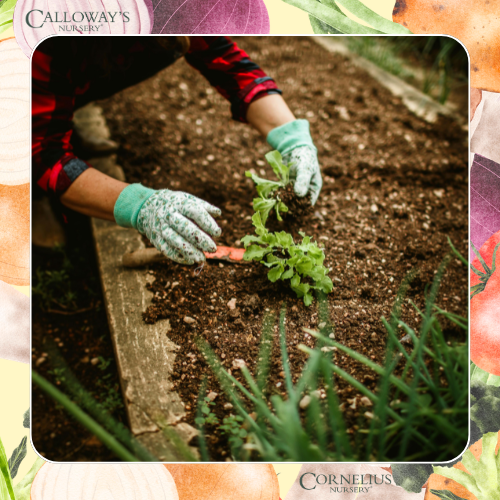
Ready to start planting? Visit your local Calloway’s or Cornelius to explore our selection of fall vegetable plants, seeds, soil, mulch, fertilizers, gardening tools, and more.
Our selection of vegetables, seeds, and specific varieties may vary by location, so stop by your neighborhood store to see what’s available.
Have questions about what to plant? Ask our Texas Certified Nursery Professionals for help choosing the right vegetables and gardening supplies for your space.
Fall is here, and your next harvest starts now!
Frequently Asked Questions
Popular cool-season choices include cabbage, lettuce, mustard greens, broccoli, Brussels sprouts, collards, carrots, radishes, beets, and spinach. Planting times and availability vary depending on your location.
Yes. Cooler temperatures make fall a great season for many cool-season vegetables. The exact planting window depends on your region and the vegetable you’re growing.
Both are great options. Seeds work well for many crops that can be directly sown into the garden, while transplants can give vegetables such as cabbage, broccoli, and collards a head start.
Many gardeners start fall gardens with seeds for crops such as carrots, radishes, beets, lettuce, spinach, and mustard greens. Always follow the planting instructions on the seed packet.
Sunlight requirements vary by vegetable, but many fall vegetables perform best in a location with plenty of sunlight. Check your plant tags and seed packets for specific requirements.
Start by clearing weeds and debris, then incorporate quality organic matter into the soil. Last year, Calloway’s recommended combining Nature’s Creation® Expanded Shale with Calloway’s Organic Garden Compost to improve the planting area.
Yes! Many cool-season vegetables can be grown successfully in containers. Choose a container with adequate drainage and enough space for the plant’s mature roots.
Newly planted vegetables need consistent moisture while they establish. Check the soil regularly and water as needed based on weather, rainfall, and the specific needs of your plants.