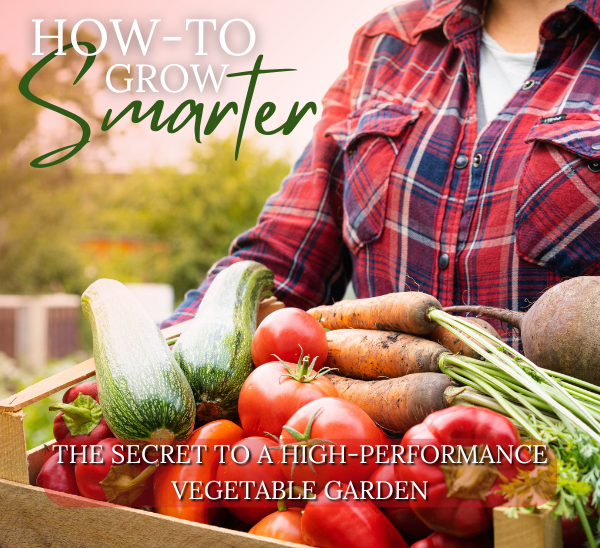
Vegetable gardening can be incredibly rewarding—and it shouldn’t feel complicated. With a few smart strategies, you can grow stronger plants, enjoy bigger harvests, and help your garden thrive all season long!
PREPARE YOUR SOIL
Healthy vegetables start with healthy soil. Whether you’re planting in garden beds or containers, enrich your soil with nutrient-rich amendments to give your plants a strong start.
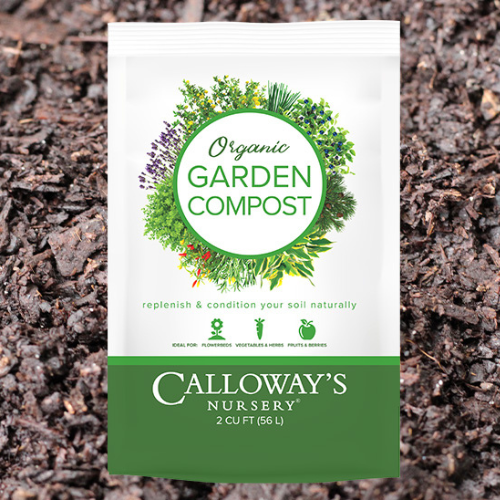
- Calloway’s Organic Garden Compost adds vital nutrients and improves soil structure.
- Calloway’s Premium Mulch helps retain moisture, regulate soil temperature, and suppress weeds.
These simple steps create a foundation for your plants to flourish throughout the season.
PLAN YOUR GARDEN LAYOUT
Giving your vegetables the right amount of space makes a big difference in how well they grow. Every plant has a different mature size, so spacing will vary.
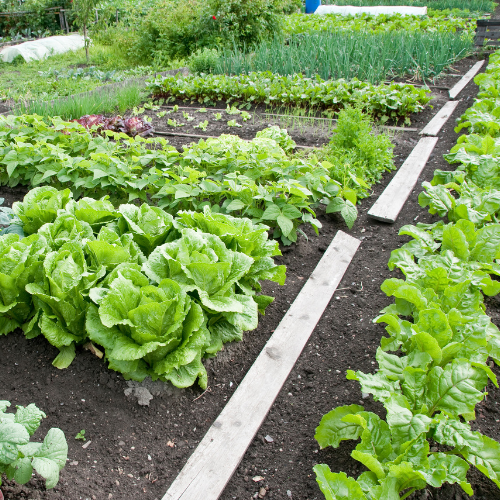
For example, most plants need plenty of room — about 3 to 4 feet apart — because they grow large and spread out. Caged Tomatoes, on the other hand can be 2-3 feet apart.
It’s also important to thin certain crops after they sprout. Beans are a great example. You can plant the seeds close together at first, but once they start growing, thin them so plants stand about 3 to 6 inches apart, depending on variety.
When vegetables are too crowded, they compete for sunlight, water, and nutrients. Giving them proper space helps improve airflow, encourages stronger growth, and leads to a more productive harvest.
COMPANION PLATING FOR NATURAL SUPPORT
Companion plants can help your vegetables grow better and naturally deter pests. Consider planting:
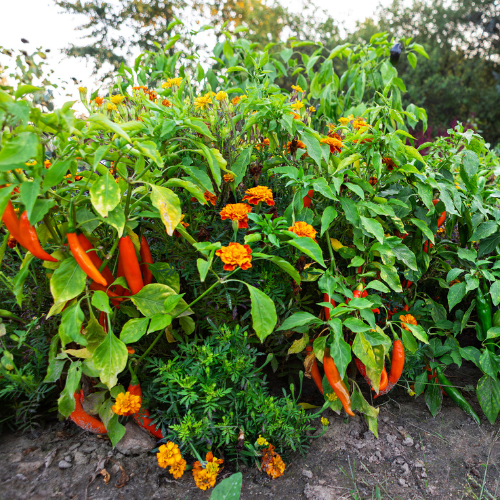
Our Texas Certified Nursery Professionals will cover more about companion planting tips during our upcoming Garden Talk, on March 14th!
SUCCESSION PLANTING FOR A LONGER HARVEST
Succession planting is a simple way to keep vegetables coming all season instead of harvesting everything at once. With a little planning, you can enjoy a steady supply from early spring through late summer.
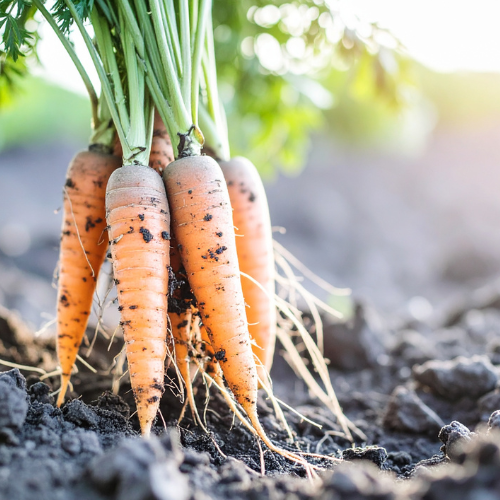
One easy method is interval planting — sowing the same crop every couple of weeks. Fast-growing vegetables like lettuce, radishes, and herbs are great for this. Plant a small amount at a time to extend your harvest.
You can also choose different varieties of the same crop that mature at different times or perform better in cooler versus warmer weather. Many of our Chef Jeff’s® Vegetables varieties are selected for strong performance and reliable harvests, making them a great option when planning multiple plantings throughout the season.
Many gardeners enjoy getting a head start on tomatoes and peppers. With proper care and the right varieties, you’ll be well on your way to a productive garden
WATERING AND FERTILIZING
Healthy plants need consistent watering and the right nutrients to produce strong roots and abundant harvests. Deep watering at the base of your plants encourages stronger root systems, while avoiding overhead watering helps reduce disease issues.
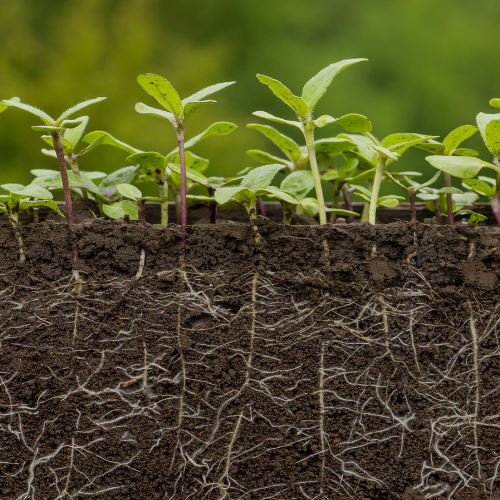
Feeding your vegetables regularly also makes a noticeable difference in growth and yield.
- Espoma® Organic fertilizers provide balanced, natural nutrition to support steady, healthy growth throughout the season.
- Tomato-tone is specially formulated to support tomatoes and other fruiting vegetables, helping promote strong plants and flavorful harvests.
- Garden-tone is a great all-purpose option for feeding a wide variety of vegetables in garden beds and containers.
Using the right fertilizer at the right time keeps your plants vigorous and productive all season long.
GET MORE TIPS AT OUR MARCH GARDEN TALK!
Want to dive deeper into vegetable gardening? Join us on March 14th at Calloway’s and Cornelius for our Garden Talk, where we’ll share expert advice, highlight key varieties of Chef Jeff’s® Vegetables, and give hands-on tips to help your garden reach its full potential.
RSVP for free today through Eventbrite! You don’t want to miss it!
How to Grow A High-Performance Vegetable Garden
Spring vegetable gardens in Texas often begin earlier than many gardeners expect! Cool-season crops like lettuce, spinach, and herbs can be planted in late winter, while warm-season vegetables such as tomatoes, peppers, and squash thrive once soil temperatures warm in February or March depending on the season. Starting early allows plants to establish before the summer arrives.
The secret is combining healthy soil, proper spacing, companion planting, and consistent feeding. When these elements work together, vegetables grow stronger, produce more fruit, and stay healthier throughout the season.
Vegetables grow best with consistent moisture. Most gardens benefit from deep watering two to three times per week rather than light daily watering. Watering at the base of the plant encourages deeper root growth and helps reduce the risk of fungal diseases caused by wet foliage.
Some vegetables are especially beginner-friendly and produce quickly. Tomatoes, peppers, herbs, and leafy greens like lettuce are great starter crops. These plants grow well in garden beds or containers and reward gardeners with harvests throughout the season.
Many vegetables rely on pollinators like bees and butterflies to produce fruit. Plants such as tomatoes, peppers, cucumbers, and squash benefit from pollination, which helps improve fruit production and yield. Adding flowers like cosmos, alyssum, or marigolds nearby helps attract these helpful garden visitors. Allowing certain herbs, like cilantro, to flower can also benefit pollinators once the plant begins to bolt. As an added bonus, you can harvest the seeds afterward and grind them to enjoy fresh coriander from your own garden.