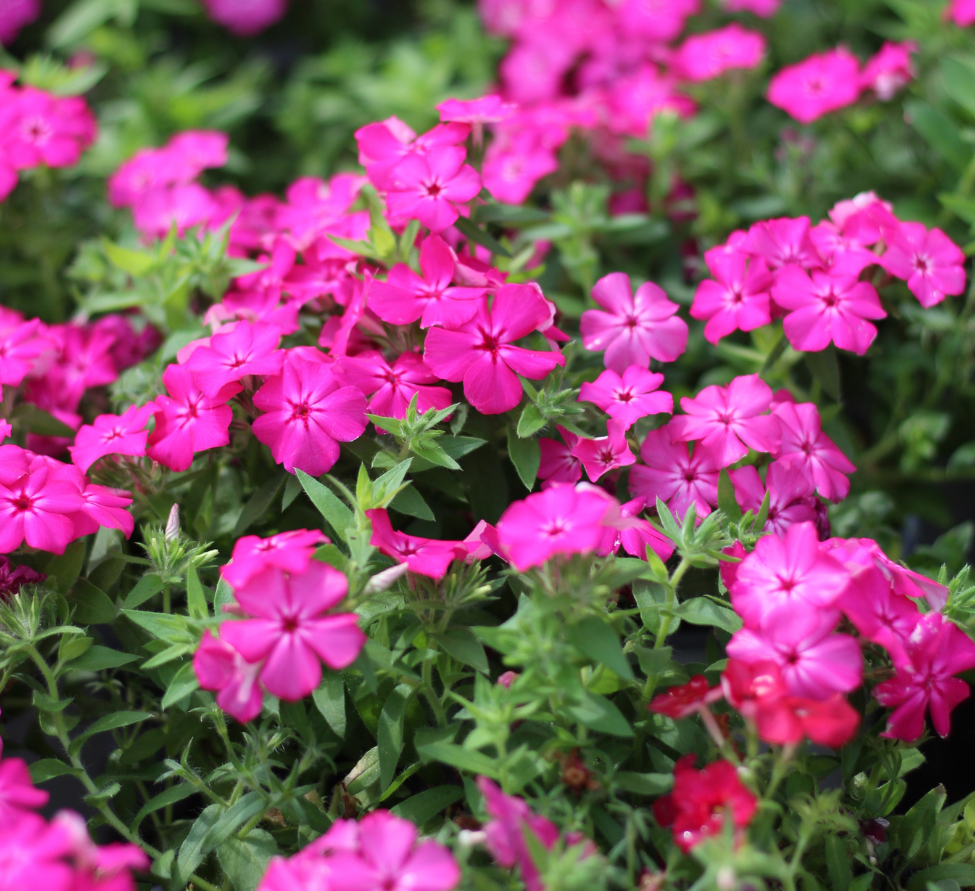
Perennial Dianthus
Original price was: $6.99.$5.59Current price is: $5.59.
Perennial dianthus features charming pink or bicolor blooms with a light clove-like fragrance that brighten sunny gardens. Its compact mounds of blue-green foliage make it perfect for borders, rock gardens, and containers. Easy to grow and loved by pollinators, Perennial Dianthus delivers vibrant color and classic cottage garden charm season after season.
Items For Added Success
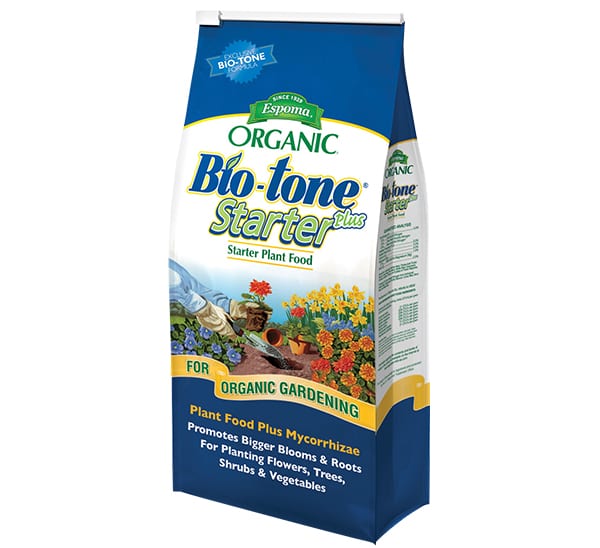
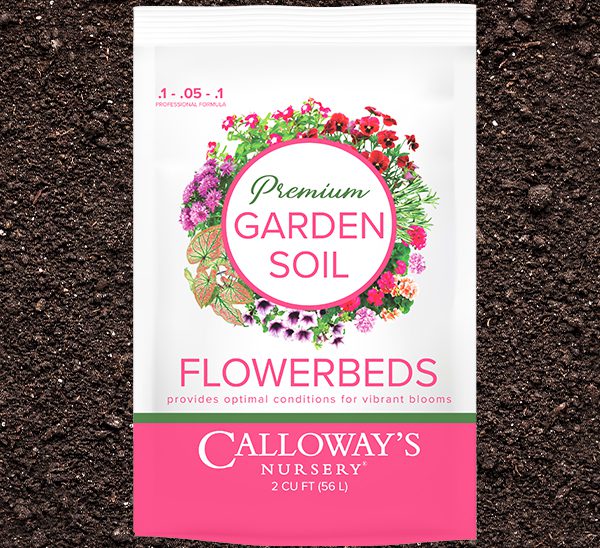
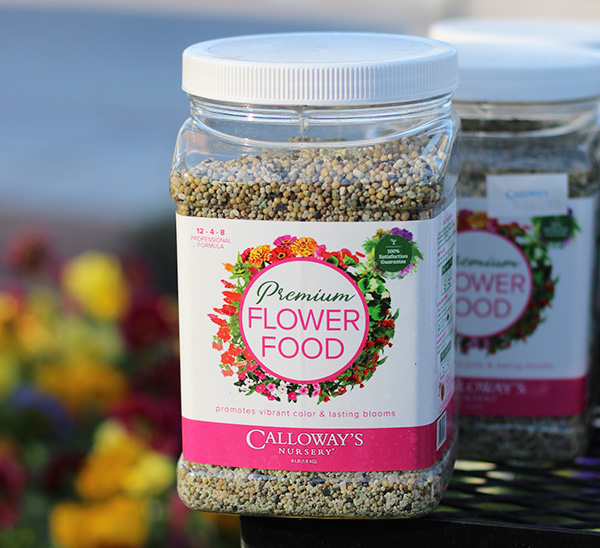
Species: Phlox subulata
Other Species Names: Pinks, Sweet William
Plant Height: 8 to 12 in.
Spread: 8 to 14 in.
Evergreen: No
Plant Form: Mounding
Minimum Sunlight: Full Sun
Maximum Sunlight: Full Sun
Perennial Dianthus is prized for its charming, fringed blooms and delightful texture. Flowers appear in shades of pink, rose, red, lavender, and white - often with contrasting eyes or picotee edges.
Compact and neatly mounded, perennial dianthus is ideal for edging, front-of-border plantings, and mass displayss where consistent color and structure are desired. Most varieties are incredibly cold-hardy with evergreen or semi-evergreen foliage that provides year-round interest in our Texas climate.
Plant perennial Dianthus in full sun and well-drained soil for best performance. Space plants 10-12 inches apart to allow for good airflow. These hardy perennials prefer slightly alkaline soil and benefit from occasional deadheading. Once established, Dianthus is relatively drought tolerant and low maintenance.
How to Grow and Care for Perennial Dianthus
Perennial dianthus is a long-lasting flowering garden favorite known for its fragrant blooms and compact growth habit. Often called pinks, dianthus produces clusters of colorful flowers in shades of pink, red, white, and lavender, making it popular for borders, rock gardens, and containers.
Yes, perennial dianthus returns each year when grown in the right conditions. With proper care and well-draining soil, dianthus forms tidy mounds that produce reliable blooms season after season.
Perennial dianthus prefers moderately moist but well-draining soil. Water when the top inch of soil feels dry. Once established, dianthus is fairly drought tolerant, making it a low-maintenance option for many gardens.
Perennial dianthus prefers moderately moist but well-draining soil. Water when the top inch of soil feels dry. Once established, dianthus is fairly drought tolerant, making it a low-maintenance option for many gardens.
Perennial dianthus typically blooms from spring through early summer, with some varieties reblooming later in the season if spent flowers are removed. Regular deadheading encourages additional flowers and keeps the mounds neat.